
1 read
Following Up
 NEMNET
 BETA
BETA
For Employers
Welcome to NEMNET—your gateway to inclusive schools and meaningful career opportunities
Post a Job
Attract qualified, diverse candidates by sharing your opportunity with our national educator network.
Choose a Recruitment Plan
Join a national network dedicated to advancing diversity in education.
Consulting & Training
Empowering your team with expert-led diversity recruitment and retention strategies.
Events & Workshops
Engage in transformative sessions designed to foster inclusive educational environments.
Testimonials
Discover success stories from our partner schools championing diversity.
FAQ
Get answers to common questions about our services and mission.
fromNEMNET


In the job search process, written [via email or otherwise] correspondence remains a critical tool and potential difference maker.
Letters typically fall into two primary categories:
Regardless of the type, every letter you send should be professional, concise and well-structured. Follow these foundational guidelines to make your communications stand out for the right reasons.
The Basics: Writing with Purpose and Precision
Every Resume Needs a Cover Letter
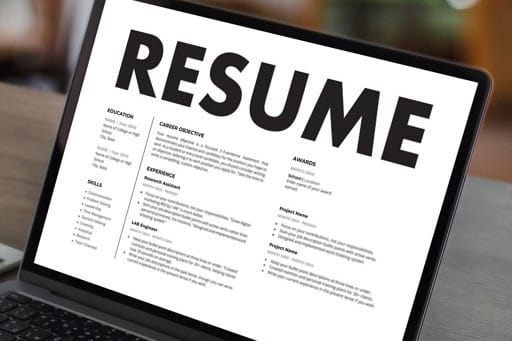
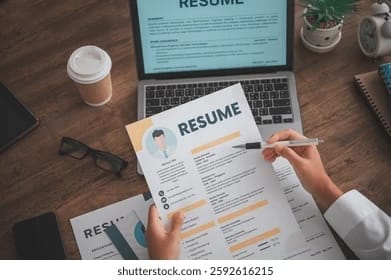
Every time you send a resume, whether you are applying for a posted opening or inquiring about potential opportunities, you should include a tailored cover letter. Its primary role is to generate interest, prompting the employer to want to learn more about you.
Keep It to One Page
Your letter should be clear, direct, and no more than one page in length. Think of it as a highlight reel, not a comprehensive autobiography. Save the deeper details for the interview.
Avoid Generic or Mass Produced Letters
You can create a core template but each letter must be customized for each position. Employers can easily spot generic, cookie cutter letters and they often interpret them as a lack of genuine interest or effort.
Address the Right Person
Always try to identify the hiring decision maker and address your letter directly to them. A letter beginning with "Dear Hiring Manager" is acceptable only if no name is available but a personalized greeting is far more effective.
Personalization Through Research
A strong letter shows you've done your homework. Research the organization, school or agency you are contacting and reference something specific that appeals to you, whether it’s their mission, recent initiatives or leadership in the field. This kind of insight reflects genuine interest and attention to detail.
Professional Appearance Matters
Tips for an Effective Letter
Final Thought
Your cover letter is often your first introduction to a potential employer, make it count! A thoughtfully written letter can differentiate you from the competition and open the door to a successful interview.
1 read
NEMNET
1 read
NEMNET

NEMNET

3 read
NEMNET

NEMNET

NEMNET

2 read
NEMNET
NEMNET
1 read
NEMNET
NEMNET

NEMNET
Established in 1994, NEMNET is a talent acquisition platform and career network built exclusively for education. We help schools and educational organizations attract, source and hire exceptional educators, administrators and school leaders.
Post Jobs. Build Talent Pipelines. Promote Your Institution. Hire Exceptional Talent.
Connecting Schools with Exceptional Talent.